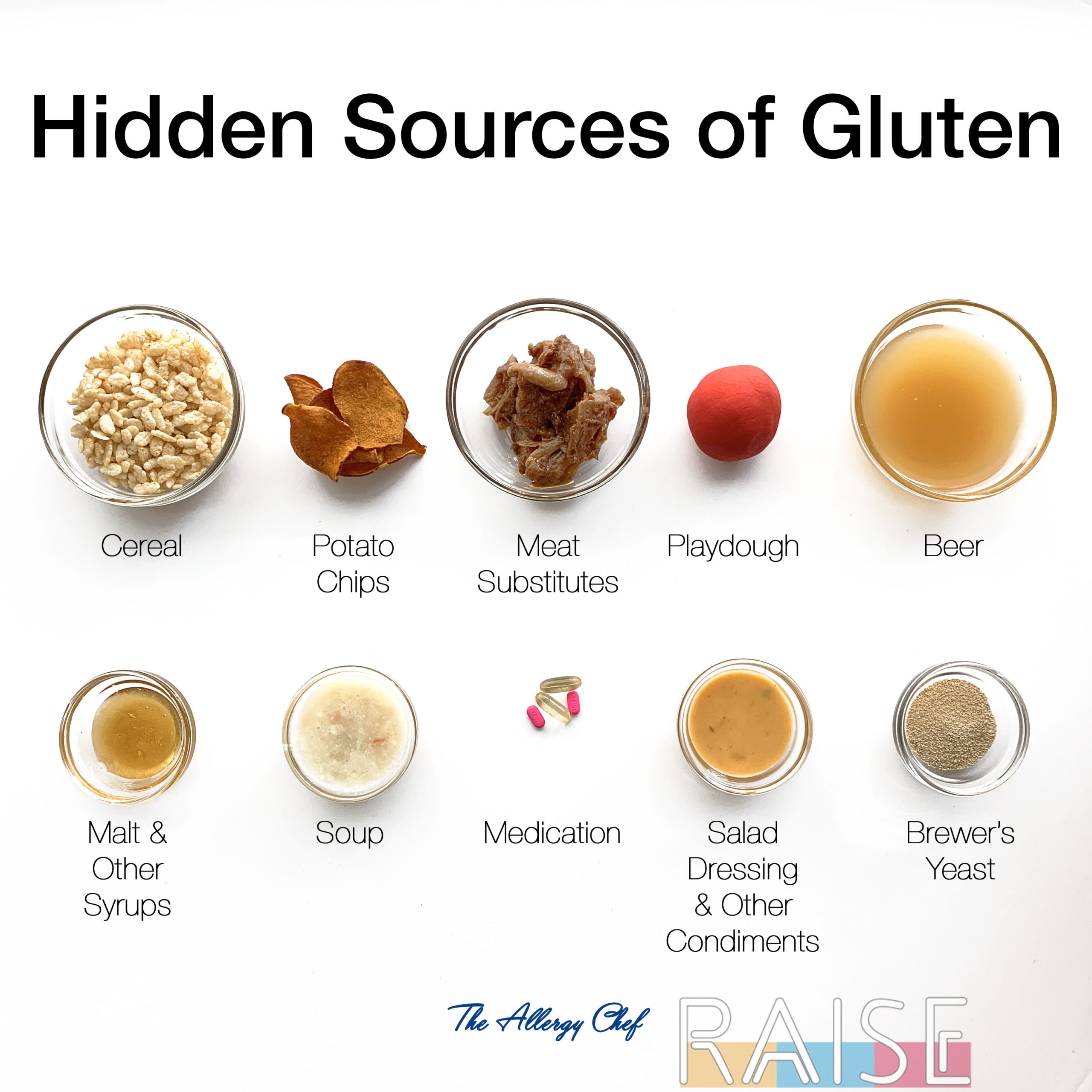
Hidden gluten is frustrating because it does not always appear as the word “gluten.” It may show up through grains, malt ingredients, thickeners, flavorings, sauces, or cross-contact warnings. This checklist gives you a repeatable system.
The fastest label-reading method
- Start with the allergen statement. This is where wheat is often called out, but remember that barley and rye may not be highlighted the same way.
- Read the full ingredient list. Look for wheat, barley, rye, triticale, malt, brewer's yeast, and unclear grain-based ingredients.
- Check claims and certifications. “Gluten-free” is stronger than “natural” or “healthy.”
- Look for advisory statements. Shared equipment can matter for people who react to small amounts.
- Scan and save. Use GlutenGo to scan the product and keep a personal list of items you trust.
High-risk words to recognize
| Ingredient or phrase | Why it matters | Shopping action |
|---|---|---|
| Malt, malt extract, malt syrup | Usually made from barley. | Avoid unless clearly gluten-free. |
| Brewer's yeast | May be a by-product of beer production. | Choose only if labelled gluten-free. |
| Soy sauce | Traditional soy sauce often contains wheat. | Use gluten-free tamari or a labelled gluten-free sauce. |
| Modified starch | Source can vary by country and product. | Check the source or choose a certified product. |
| Oats | Naturally gluten-free but often cross-contaminated with wheat, barley, or rye. | Pick oats labelled gluten-free and ask a clinician if you have celiac disease. |
Risk meter for common packaged foods
Plain rice, plain beans, fresh fruit
Usually low risk when unseasoned.
Seasoning blends, soups, sauces
Medium risk because flavorings and thickeners vary.
Beer, malt drinks, regular breaded foods
High risk unless clearly gluten-free.
Build a safer routine
Do not rely on memory alone. Recipes and suppliers change. Re-check products every few months, especially snacks, sauces, cereals, frozen meals, and imported foods. When an ingredient is unclear, choose a simpler product with fewer ingredients or a certified gluten-free alternative.
GlutenGo tip: Create saved lists such as “safe breakfast,” “safe snacks,” and “avoid.” This turns label reading into a faster habit instead of a stressful decision every time.