
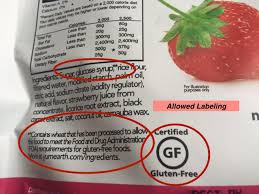
A gluten-free label is one of the most useful shortcuts when you are shopping, but it is not magic. It means the product must meet a defined standard, and you still need to understand ingredients, cross-contact, and local rules.
Why 20 ppm matters
Parts per million sounds technical, but the idea is simple: it measures tiny amounts. A 20 ppm limit means gluten must be below 20 milligrams per kilogram of food. This threshold exists because modern testing methods can reliably detect gluten around this level and because regulators consider it an enforceable safety standard for gluten-free claims.
Gluten-free claim threshold
Visual guide: treat 20 ppm as a strict ceiling, not a target. Lower is better, but the legal claim must stay below the limit.
What a gluten-free label usually tells you
| Label clue | What it means | What to do |
|---|---|---|
| Gluten-free claim | The product is claiming to meet the gluten-free standard. | Still read the ingredient list, especially if you have celiac disease. |
| Certified gluten-free logo | A third-party program has reviewed the product against its own standard. | Useful extra confidence, but check that the logo is real and current. |
| May contain wheat | An advisory warning about possible cross-contact, not the same as an ingredient. | Use caution; choose certified or clearly labelled alternatives when possible. |
| Contains wheat | Wheat is present as an allergen ingredient. | Avoid unless the product is specifically labelled gluten-free and the ingredient is allowed under local rules. |
Important detail: wheat-free is not always gluten-free
Gluten can come from wheat, barley, rye, and triticale. A product can be wheat-free but still contain barley malt, rye, brewer's yeast, or a flavoring derived from gluten-containing grains. That is why the ingredient list matters even when the front label looks safe.
How GlutenGo can help
When using GlutenGo, scan products as a first check, then save your trusted items. Over time, your own safe list becomes faster than starting from zero in every supermarket aisle.